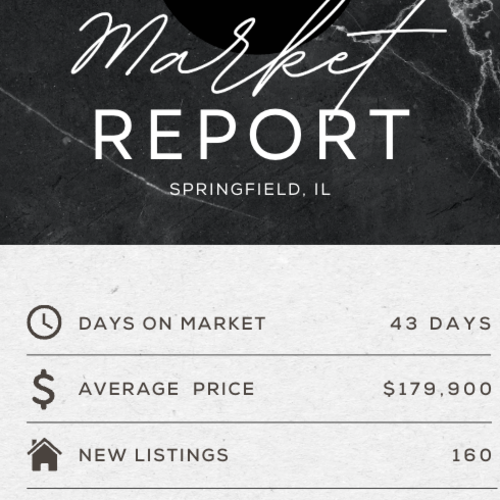




Is Moving to Springfield IL Right for You?
If you're considering moving to Springfield IL, you're looking at a city with a unique mix of affordability, history, and government-driven stability.
It’s not flashy—but for the right buyer, it can be a really smart move.
Who Springfield IL Is Perfect For
- Buyers looking for a low cost of living
- State employees or those working in government or healthcare
- Families wanting quiet, stable neighborhoods
- Buyers who want more home for their money
Who It’s NOT Ideal For
- People wanting big-city nightlife or entertainment
- Buyers looking for a fast-growing job market
- Those who prefer major metro amenities
What Homes Cost in Springfield IL
Springfield is one of the more affordable capital cities in the U.S.
- Median home price: ~$180K–$220K
- Entry-level homes: ~$120K–$160K
- Larger homes: $250K–$400K
What the Lifestyle Feels Like
Springfield offers:
- Slower pace of life
- Strong sense of community
- Historical charm (Lincoln sites, downtown)
- Easy commuting (most drives under 20 minutes)
It’s very much a practical, comfortable place to live.
Quick Takeaway
Springfield IL is a great fit if you want:
- Affordability
- Stability
- Simplicity
Frequently Asked Questions About Moving to Springfield IL
1. Is Springfield IL a good place to live?
Yes, Springfield offers a low cost of living, stable job market, and a quieter lifestyle, making it great for families and retirees.
2. What is the cost of living in Springfield IL?
Springfield is very affordable compared to most U.S. cities, especially in housing.
3. What are the main employers in Springfield IL?
Major employers include the State of Illinois, healthcare systems, and local education institutions.
4. Is Springfield IL safe?
Like any city, safety varies by neighborhood, but areas like Chatham and Leland Grove are known for being more desirable.
5. Does Springfield IL have harsh winters?
Yes, winters can be cold with snow and freezing temperatures.
6. Is Springfield IL good for families?
Yes, it’s a great place for families due to affordability, schools, and a slower pace of life.
Check out this article next